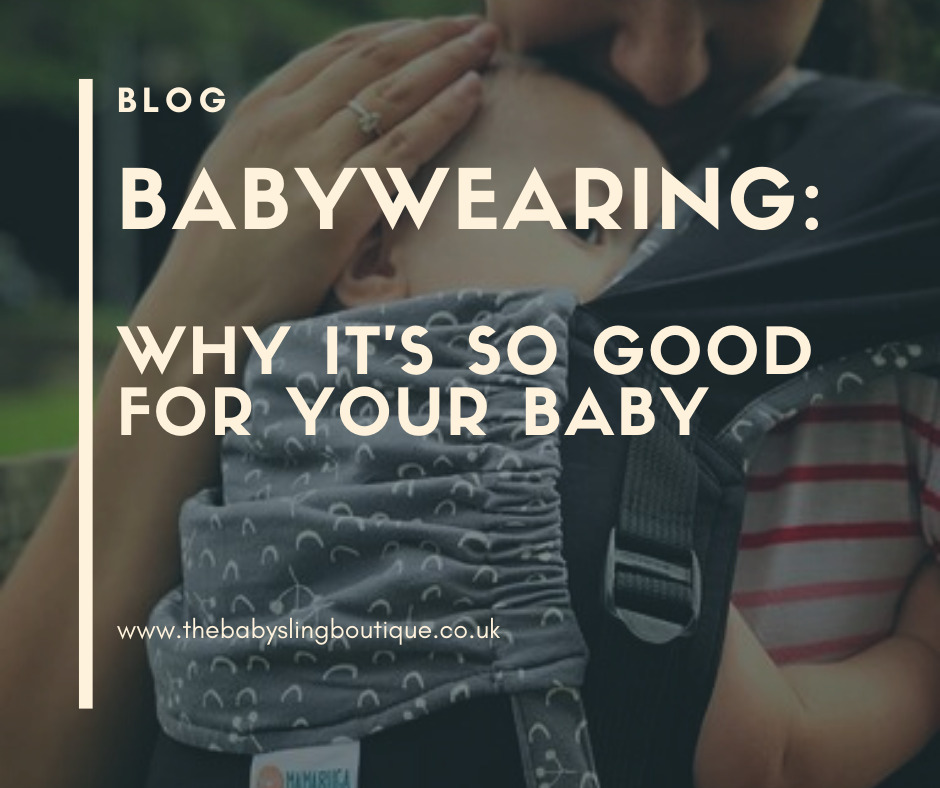

‘Is he sleeping through the night’?
‘What time does she go down for a nap’?
‘Are you still breastfeeding him to sleep’?
‘My baby just seems to want to sleep on me’!
‘My baby doesn’t seem to like much – apart from me that is!’ ….. sound familiar?!
Now I’m no sleep expert, but these sorts of questions and thoughts are just annoying when you have a new baby – and even more annoying when it’s an older baby/toddler. Not least because they are non-issues. Bear with while I explain…
Your baby probably won’t ‘sleep through’ for 10 hours like a teenager or you’d like to as an adult; this is normal. Your baby will nap when they need to; this is normal. Your baby will get all kinds of nutritional and emotional support by being breastfed on demand for several years; this is normal. And your baby will be comforted by cuddles and physical touch; this is normal. You will feel tired, this is normal – but there are things you can do to help yourself, and worrying about your child’s sleep patterns because of other people’s misinformed opinions isn’t one of them.
My daughter didn’t get into a routine until she was in nursery at around 18 months old, older even. We had a certain ‘rhythm’ to our days, but it wasn’t what I’d call a routine, there was no set nap time, no set bedtime. We just went with the flow. If we had a busy day one day then we’d have a quiet day to ourselves the next to recharge.
And the result was she didn’t look tired like some babies do. The quality of her sleep must have been pretty good. She was happy, and I think she did actually sleep very well. She slept in sleep cycles, as we all do, sometimes she woke up properly after a sleep cycle, sometimes she snoozed on and slept for longer. It wasn’t what I thought having a baby would be, before I had a baby – but this is how I helped her sleep better…
1. Naps on the go
Oh my goodness, the first time my baby fell asleep in a stretchy wrap was amaaaazing. I was finally able to get out and about while she had a nap. For us, this meant I took a walk most days – if she hadn’t already dropped off in the car coming back from a baby group then we’d go out for a walk. I managed to get a little bit of exercise, fresh air and Vitamin D so I felt better, and she couldn’t keep her eyes open once she was wrapped up close to me and we got moving. After 40 minutes of sleep she’d stir as that sleep cycle ended, so I needed to make sure I was still walking at that point so she dropped back off again.
2. Movement to lull her to sleep
Rocking your baby seems to be frowned upon. I’m not sure why. There will come an age when your child is to big to hold, and too heavy to carry – so please make the most of it when they are small! The only thing might be your arms start to ache. So use a baby carrier, and wander or dance around gently. I used to use a short size 2 wrap or a ring sling, for a hip carry. She used to be able to look around until tiredness took over, then rest her head on my shoulder and drop off to sleep. The theory then was I could un-tie the wrap/sling and gently lay her down in it; while I’m sure I achieved that a few times, mostly I would enjoy the warmth and the cuddles and get on with something else or make a cuppa.
3. Breastfeed to sleep
If you’re boobing your baby to sleep then this can be a fantastic way to relax and soothe your baby into a deep slumber. Higher melatonin levels in milk produced at night will help your baby to sleep, whereas milk produced in the morning will make your baby more active.
Not only this but the suckling itself is calming, and calm babies will find it easier to drop off. People who say that your baby is just using you like a dummy have somehow missed that point. The breast is a far better ‘pacifier’ than a piece of plastic, and your bond will deepen due to the pheromones exchanged during feeding.
Often seen as one of those ‘rods for your back’, but far from it, breastfeeding your baby to sleep will make your life easier. It took a long time for me to feel that this was not only OK to do, but a wonderful and beautiful thing, and I am so glad we we able to do this for so long.
I also managed to breastfeed in a wrap and baby carrier on our walks, to help her drop off. Most carriers can be used for breastfeeding – you should return your baby to an upright position when they’re done/are asleep, and run through the TICKS checklist.
4. Co-Sleeping
We went against all advice at the time, and ended up sharing a bed with our daughter. For the first 3 months I was getting up several times a night, and sitting up for an hour or more in a dark nursery, feeding, then waiting for her to go back to sleep before I could move. I read alot on my Kindle! But I exhausted. All this time breastfeeding wasn’t great and we were topping up with formula, I tried pumping but it didn’t work for us. When we ‘gave in’ and took her into our bed, I was able to feed her without getting up, and fall back to sleep sooner. We got more sleep, and my milk flowed better and we ditched the formula feeds.
Luckily now, co-sleeping is less frowned upon, and there are published guidelines to follow – please do read these before sharing a bed with your baby.
5. Hold your baby
I had a baby who didn’t want to be put down, and wouldn’t sleep without being close to someone else. The result, we held her – alot. We literally had to carry her everywhere.
Carrying your baby, in your arms or in a sling/baby carrier, does amazing things though. Your baby responds to touch and being cuddled by releasing oxytocin. Otherwise known as the love hormone this makes you feel safe, secure and loved. And if you feel safe, secure and loved, you are more likely to sleep well and sleep for longer. I know I do. Carrying your baby at any time of day, nap time or not, will help with levels of oxytocin, and then when it’s time, sleep is easier.
6. A calm and quiet environment
I think I’m a fairly calm person anyway, and we have a quiet household, but I used to sing, chat, hum, have background music or TV on but not too loud, and we’d have the lights down low in the evening. However when I left the house often the calmest environment I could provide for my daughter was in the sling. Tescos or the highstreet are not known for subtle lighting and mellow acoustics!
If you have older children and pets who are constantly on the go, it may be more difficult to keep the noise down even around the house. Your baby might want to join in, and be part of all the fun stuff, but eventually it will all become too much for them to deal with, ending in tears. But you can create a calm oasis in a sling/baby carrier in an otherwise noisy and crazy world.
A nice comforting cuddle with mum or dad can be just what’s needed to block out the outside world, reduce cortisol production, and get baby in the mood for sleep.
Want to know more?
The link for the Lullaby Trust information on Co-Sleeping is here again for you.
If you want more advice on how to choose a suitable sling for your age child then visit a sling library, or contact a babywearing consultant. What’s a sling library? – read more here. Want some help getting your sling to work better for you and your family? – then do contact me.